Student Career Readiness: Reflections on Summer Work Experience
Over the summer, students participated in diverse work experience programs designed to bridge the gap between academic theory and real-world application. These firsthand experiences demonstrate how field immersion enhances career readiness, clarifies life goals, and shapes future pathways.
From Storefront to Lab
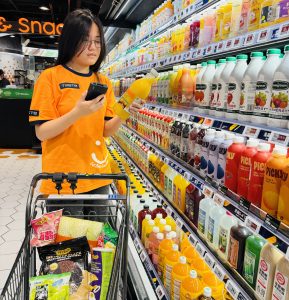
I have learned a lot about how to manage a store effectively and witnessed their passion for making each customer happy by ensuring high-quality service. I experienced this firsthand on days two and three, when I worked in Taste and their lab. The staff there were very willing to help customers in need and support us, as we knew very little about retail work. In the lab, I was able to try different apparatus that I would not be able to use in school, such as a gas spectrometer. Additionally, I witnessed how serious they are about maintaining food quality through various tests. It was an unforgettable experience, as it is rare to gain such deep insight into a company by visiting different departments, whereas we usually only shop in their stores. I now have a better understanding of how hard it is to work in the service industry, and I deeply appreciate everyone who works in this field.
Inside Airport Operations
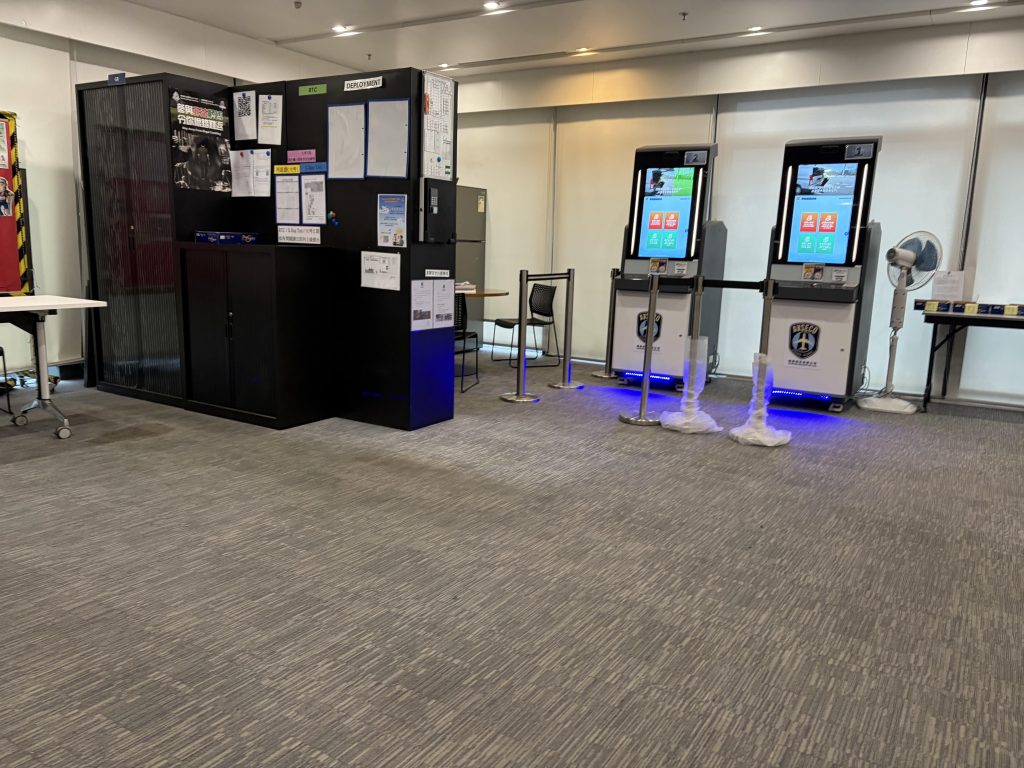
The experience deepened my understanding of airport security. It is not actually a government department, but an operating company with a very stable income source; whenever commercial planes depart from Hong Kong, the company receives a security fee, which funds its salaries.
During the programme, I took a tour around the airport, where we visited various departments, including the Contingency Response Unit (CRU). The most interesting part was testing the X-ray machines to check whether baggage met security requirements. I noticed that guns and other prohibited items can be hidden in many different ways to bypass security checks, and I learned to identify many of these variations. My main takeaway was that security personnel need an extremely sharp eye to identify hidden items, proving that their work is not as easy as I had thought. If necessary, I will do my best to cooperate with and assist them in the future.
Bridging Tech and People
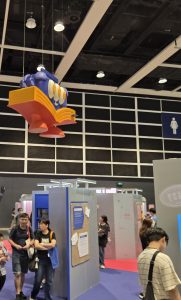
Working at the book fair’s AI photo booth was an unexpectedly rewarding experience. Initially, I focused on the technical aspects: preventing paper jams and ensuring the machine operated correctly. However, I quickly realized my most important role was acting as a translator and guide for the visitors. Many were intimidated by the technology or unsure about the initial drawing requirement. I learned to simplify our instructions, encouraging them to be creative with their prompts, while patiently explaining the process step-by-step. The highlight was helping a shy young girl who was nervous to draw; seeing her face light up when the AI interpreted her simple sketch into a beautiful piece of artwork was magical. This experience taught me the vital importance of clear communication, empathy, and patience. I discovered that technology is only as good as the human touch that facilitates it, and I gained immense confidence in my ability to manage a station, troubleshoot minor issues, and create a positive, accessible experience for the general public.
Beyond Design
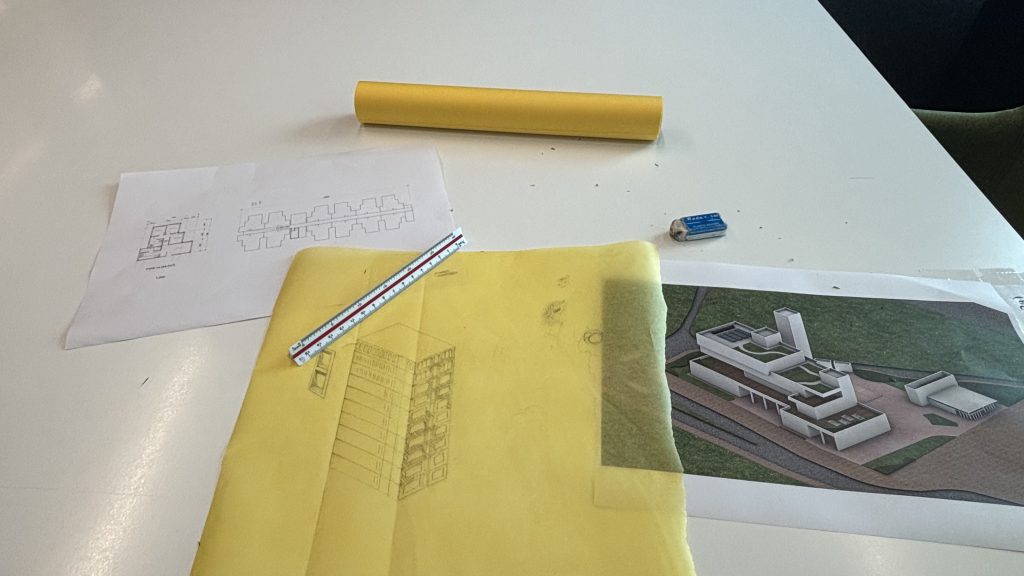
During my time there, I observed that an architect is also responsible for facility management and construction details, such as choosing the type of wash basin or modifying space dimensions according to the plumbing layout. This programme has deepened my understanding of the role of architects in a project and my appreciation of their persuasiveness when advocating for their ideas, even when their demands are complicated and may meet resistance. Meanwhile, in a discussion on a building’s exterior design, the architects approached the challenge from different angles, and this mix of perspectives led to innovative solutions. This provided me with insight into the power of teamwork in a project, showing that working as a group can lead to better problem-solving and achieve goals faster than working alone.
Hands-on Healing
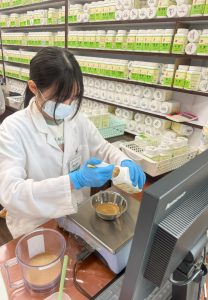
Through the programme, I had the chance to work in a Chinese medical clinic. As a dispenser, I learned to verify patient information, locate the correct herbs accurately, measure precise amounts, and pack them properly. I also observed the doctor taking pulses and performing acupuncture, noting how carefully they listened to each patient. From this experience, I learned that this profession requires a great deal of empathy. Because patients often feel worried or unwell, a kind heart combined with careful hands can help them feel safe.